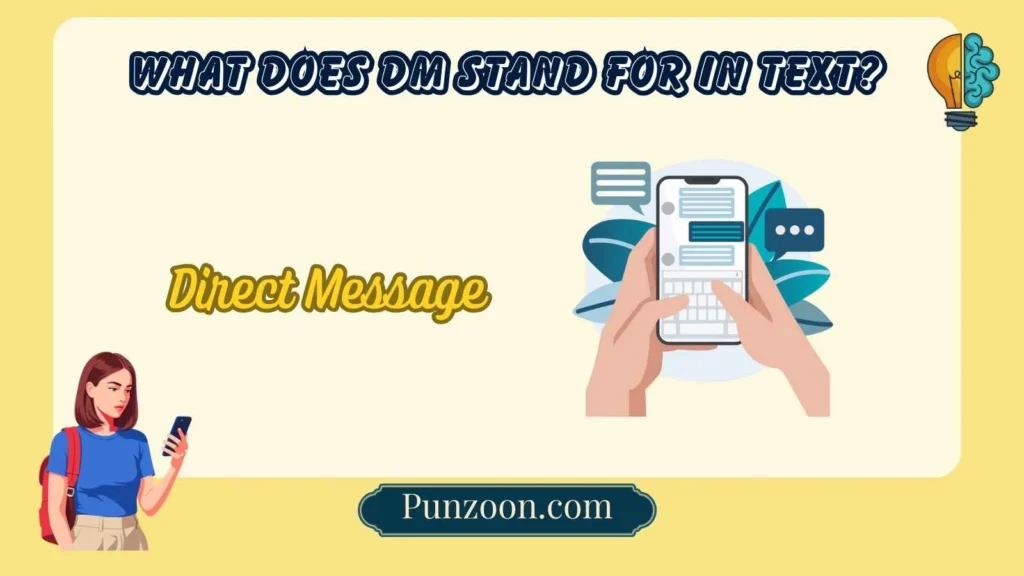
What Does DM Stand For in Text? If you’ve ever been scrolling through social media or chatting online, you’ve probably seen the term DM pop up frequently. But what does DM really mean, and why is it so popular in texting and online conversations? Understanding this simple abbreviation can help you communicate better and stay in the loop with digital lingo.
In this article, we’ll dive deep into what DM stands for in text and explore how it’s used in everyday messaging. Whether you’re new to texting slang or just curious, learning about DM will make your online interactions smoother and more confident. So, let’s get started and uncover the meaning behind this common term!
What Does DM Stand For?
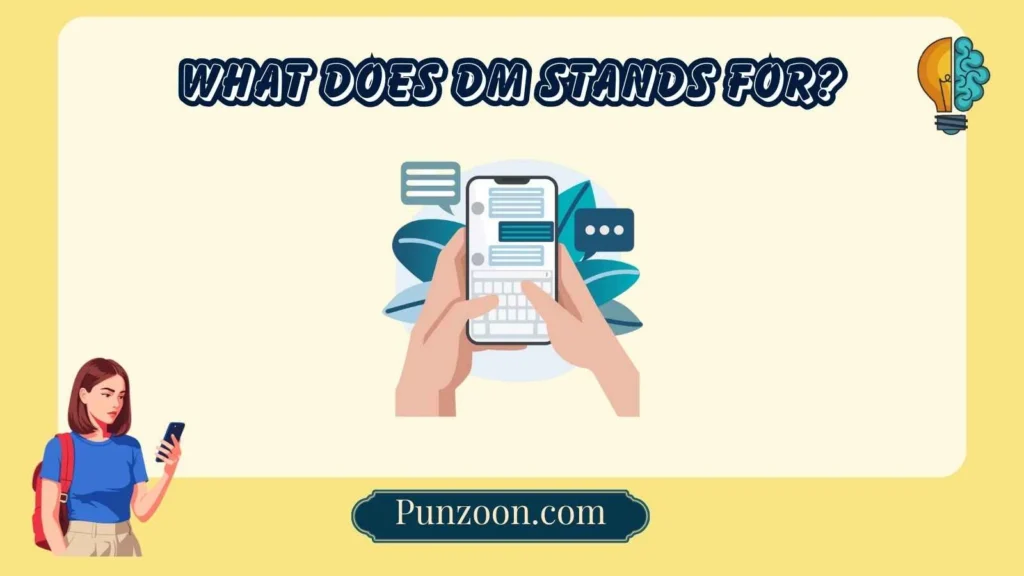
DM stands for Direct Message. It refers to a private message sent directly from one user to another on social media or messaging platforms. Unlike public posts or comments, DMs provide a private conversation space where only the sender and receiver can see the messages.
Origins and Evolution of DM
The concept of sending private messages online started with instant messaging apps like AOL Instant Messenger and later evolved with platforms like Twitter, Instagram, and Facebook introducing their own DM features. Today, DM is a universally understood term for private messaging, especially on social media.
Common Platforms Using DM
| Platform | DM Feature Name | Usage Notes |
|---|---|---|
| Direct Message | Often used for private conversations and networking | |
| DM or Direct | Supports text, photos, videos, disappearing messages | |
| Messenger | Integrates DM with a full messaging app | |
| Messaging | Primarily professional, used for networking | |
| TikTok | DM | Allows private sharing and chatting |
How Is “DM” Used in Sentences?
Using DM in sentences depends on the tone and context. Here are some examples:
- “DM me the details, and I’ll get back to you.” (Casual, friendly)
- “Please send me a DM for more information.” (Polite, formal)
- “I’ll DM you the contract draft tomorrow.” (Professional)
The phrase “DM me” is often a casual invitation for private conversation, while “send a direct message” sounds more formal.
The Tone and Nuance of “DM”
The tone of a DM can range widely. It can be:
- Informal and friendly — among friends or peers.
- Polite and professional — in business or customer service.
- Urgent or important — when private, time-sensitive info is needed.
Understanding this nuance helps avoid miscommunication. For example, asking someone to “DM me” in a casual chat is inviting and relaxed, but in a professional setting, it should be paired with a polite or clear request.
Generational Note: Younger users often use “DM” casually, while older generations might prefer “send a message” or “contact me privately.”
Alternatives to Saying “DM Me”
If you want to avoid repeating “DM me,” here are some polite, professional, and casual alternatives:
Polite Alternatives
- “Please send me a private message.”
- “Feel free to message me directly.”
- “You can reach out to me in private.”
Professional Alternatives
- “Kindly send me a direct message for further discussion.”
- “Please contact me via direct message.”
- “I look forward to your private message regarding this matter.”
Casual or Friendly Alternatives
- “Hit me up in DMs.”
- “Slide into my DMs.”
- “Shoot me a message privately.”
When Should You Use “DM”?
Knowing when to use DM correctly ensures your message lands well.
Social Media Context
DMs are perfect for private conversations that don’t belong in public comments. For example:
- Sharing personal info (phone numbers, addresses)
- Sending confidential or sensitive messages
- Discussing details about collaborations or events
Business and Professional Context
Businesses often use DMs for:
- Customer support and troubleshooting
- Sales inquiries and negotiations
- Networking and partnership talks
Online Communities and Forums
In groups or forums, DMs can help:
- Avoid cluttering threads with side conversations
- Connect privately with other members
- Share resources or personal experiences confidentially
How to Respond to a “DM Me” Request
Responding to a DM request depends on your comfort level and context:
- Acknowledge the request politely: “Sure, I’ll send you a DM.”
- Set boundaries if needed: “I’m happy to chat here publicly, but for private info, I’ll DM you.”
- Reply promptly if urgent: Quick responses build trust and show professionalism.
Choosing the Best Phrase Based on Context
When deciding how to invite or respond to DMs, consider:
Audience
- Friends or casual followers? Use informal language.
- Clients or colleagues? Use formal, clear phrasing.
Platform
- Twitter and Instagram users expect casual DMs.
- LinkedIn requires professional messaging tone.
Purpose of the Message
- Personal catch-up? Casual invite works best.
- Business inquiry? Professional language is key.
Urgency
- For urgent matters, clarify by adding words like “ASAP” or “at your earliest convenience.”
Common Mistakes to Avoid When Using “DM”
Avoid these pitfalls to keep your communication smooth:
- Overusing “DM” in public posts: It can seem pushy or spammy.
- Ignoring tone: What’s casual for one might be rude for another.
- Sharing sensitive info carelessly: Always verify before sharing private details.
- Mixing professional and casual tones: Maintain consistency based on context.
FAQs:
What exactly is a DM?
A DM is a direct message sent privately between users on social media or messaging platforms.
Is “DM” only used on Twitter?
No, it’s used on many platforms like Instagram, Facebook, LinkedIn, and TikTok.
Can DMs be seen by others?
No, DMs are private conversations only visible to the sender and receiver.
Is it appropriate to ask someone to DM me?
Yes, but adjust your tone based on the relationship and platform.
What should I avoid in a DM?
Avoid sharing sensitive information without trust and keep messages respectful.
Conclusion:
Understanding what DM stands for in text is more than just knowing the abbreviation.
It’s about mastering the art of private communication in a digital age where tone, platform, and context shape every message.
From social media banter to professional networking, using DMs effectively opens doors to meaningful, private conversations.
Keep the tone clear, respect privacy, and choose your words wisely to connect better than ever before.