What Does FWB Stand For in Text? is a common question many people ask when they see this term used in chats, dating apps, or social media messages. If you’ve ever felt confused by modern texting slang, you’re not alone, and understanding what does FWB stand for in text can help you avoid awkward misunderstandings. This phrase is widely used in casual conversations and digital relationships today.
What Does FWB Stand For in Text? Simply put, it refers to a specific type of relationship that blends friendship and physical connection without commitment. Knowing what does FWB stand for in text helps you read messages more clearly and understand the real intention behind them. In this article, we’ll explain what does FWB stand for in text in a clear, honest, and easy way.
What Does FWB Stand For in Text?
FWB stands for Friends With Benefits. In texting and online conversations, it’s a shorthand to describe a relationship where two people are friends who engage in physical intimacy without romantic commitment.
- Friends With Benefits means a casual connection where the focus is on physical intimacy combined with friendship.
- It’s often used in dating apps, texting conversations, or informal chats to quickly convey the nature of the relationship.
- People use FWB to express that they want a no-strings-attached relationship, avoiding traditional dating pressures.
Example:
“Hey, do you want to be FWB? Just chill and hang out without drama.”
The Real Meaning of FWB in Modern Relationships
FWB isn’t just a label; it reflects a relationship style with specific emotional and physical boundaries.
- It differs from dating because there’s no romantic expectation.
- It’s not quite a hookup since friendship forms the foundation.
- Emotional attachment is usually limited, but feelings can still develop.
- Communication is key to ensure both sides have aligned expectations.
Many people turn to FWB arrangements to satisfy physical needs without complicating things emotionally, but it requires maturity and honesty.
Key Characteristics of an FWB Relationship
Understanding the core traits of an FWB relationship helps clarify what it really involves:
| Characteristic | Description |
|---|---|
| No Romantic Commitment | No expectation of a traditional romantic relationship. |
| Mutual Consent | Both parties agree openly to the arrangement. |
| Physical Intimacy | Focus is primarily on physical connection. |
| Friendship Base | There’s an existing friendship or comfort level. |
| Flexibility | No exclusivity or rigid rules. |
| Limited Emotional Attachment | Emotional involvement is kept in check, but feelings vary. |
Fact: Studies suggest FWB relationships can offer emotional benefits but also risk misunderstandings without clear communication.
How FWB Is Commonly Used in Text Messages
The meaning of FWB can shift depending on tone and context in texting. Here are some common examples:
- Playful:
“We’re just FWB, no pressure!” — Casual and lighthearted. - Serious:
“I want to be clear, I only want FWB with you.” — Sets boundaries upfront. - Exploratory:
“Are you open to FWB or something more?” — Testing the waters.
Because texting lacks tone of voice, misunderstandings happen. Emojis and follow-up clarifications can help, like adding 😅 or 🤷♂️.
Why Understanding the Context of “FWB” Matters
Not everyone interprets FWB the same way, and understanding the context is crucial:
- Cultural differences affect how FWB is viewed (some cultures may see it as taboo).
- Age and generation influence acceptance; younger people often use it more casually.
- Misinterpretations can lead to hurt feelings or conflicts.
- Recognizing when FWB is respectful or dismissive helps maintain healthy boundaries.
Quote: “The meaning of words changes with the speaker and listener; clarity is the bridge that keeps connection alive.”
FWB vs Similar Relationship Terms
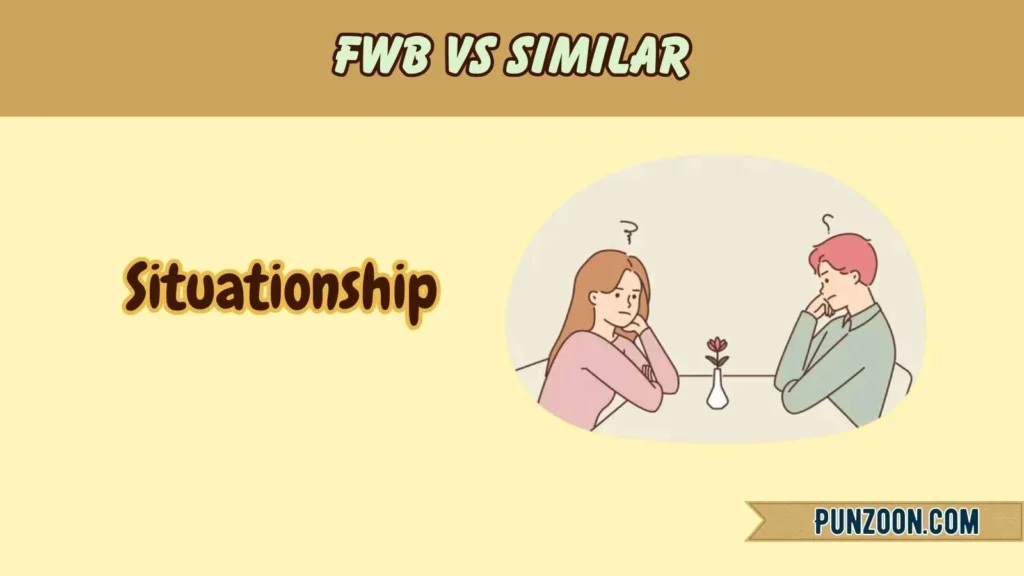
People often confuse FWB with other casual relationship terms. Here’s a quick comparison table:
| Term | Definition | Key Difference from FWB |
|---|---|---|
| Situationship | Undefined relationship, more emotional confusion | Less clarity, often more emotional drama |
| Casual Dating | Dating multiple people with no commitment | Dating implies some emotional interest |
| Hookup | Usually a one-time or infrequent sexual encounter | Often no friendship or ongoing connection |
| Open Relationship | Committed romantic relationship allowing others | FWB lacks romantic commitment |
Understanding these helps you communicate clearly and avoid mixed signals.
15 Alternatives to Saying “FWB” (Friends With Benefits)
Sometimes, people want softer, more discreet, or playful ways to say FWB. Here’s a categorized list:
Casual and Playful Alternatives
- No-strings thing
- Just having fun
- Casual setup
- Chill connection
- Friends plus
Polite and Discreet Alternatives
- Casual relationship
- Mutual arrangement
- Non-committed connection
- Seeing each other casually
- Informal dating
Professional and Euphemistic Alternatives
- Consensual non-exclusive relationship
- Informal partnership
- Private arrangement
- Relationship with benefits
- Amicable connection
How to Choose the Right Term Instead of “FWB”
Choosing the right phrase matters more than you might think. Here’s how to decide:
Know Your Audience
- Are you talking to close friends, new acquaintances, or coworkers?
- The wrong term can cause embarrassment or misunderstandings.
Understand the Relationship
- Is it purely physical? Is there emotional involvement?
- Match the term to your connection’s nature.
Match the Setting and Platform
- Texting casually with friends vs professional settings needs different tone.
- Dating apps may allow more playful or direct terms.
Use Humor Carefully
- Humor can lighten the topic but may confuse some readers or listeners.
- Always be clear after joking.
Examples of How to Say It Instead of “FWB”
Here are some sample texts using alternative ways to describe FWB:
- “We’re just keeping it casual, no pressure.”
- “We have an informal partnership, nothing serious.”
- “Just a friendly setup with some benefits attached.”
- “It’s a chill connection, no strings involved.”
Clear communication keeps everyone on the same page and prevents awkward situations.
Common Misconceptions About FWB
Let’s bust some myths:
- Myth: FWB always leads to feelings.
Fact: Sometimes it does, sometimes it doesn’t; communication is key. - Myth: FWB means disrespecting the other person.
Fact: When done consensually, it can be respectful and honest. - Myth: FWB is the same for everyone.
Fact: Every FWB relationship is unique in boundaries and expectations.
Is FWB Right for You?
Before entering an FWB arrangement, consider these:
- Are you emotionally ready to separate intimacy from romance?
- Can you communicate openly about boundaries and feelings?
- Are you comfortable with the possibility that feelings might change?
- Do you respect your friend and expect the same in return?
Answering honestly helps you avoid heartbreak or awkwardness.
FAQs :
What does FWB mean in text slang?
It means “Friends With Benefits,” a casual friendship with physical intimacy but no romance.
Can FWB relationships become serious?
Yes, sometimes feelings develop, but not always. Clear communication is essential.
Is FWB the same as dating casually?
No, dating implies some romantic interest, while FWB focuses on physical intimacy with friendship.
How do you tell someone you want to be FWB?
Be honest and clear. Use respectful language like “I’d like a casual, no-strings setup.”
Are FWB relationships healthy?
They can be if both people communicate openly, respect boundaries, and manage emotions well.
Conclusion:
Understanding what FWB stands for in text goes beyond just knowing the acronym.
It’s about grasping the emotional and social dynamics behind the term.
Whether you’re thinking about entering an FWB relationship or simply want to communicate clearly about it, knowing the context, alternatives, and expectations can save you from confusion and hurt feelings.
Remember, clear and respectful communication is the cornerstone of any healthy relationship—FWB included. Choose your words thoughtfully, and always keep the other person’s feelings in mind.